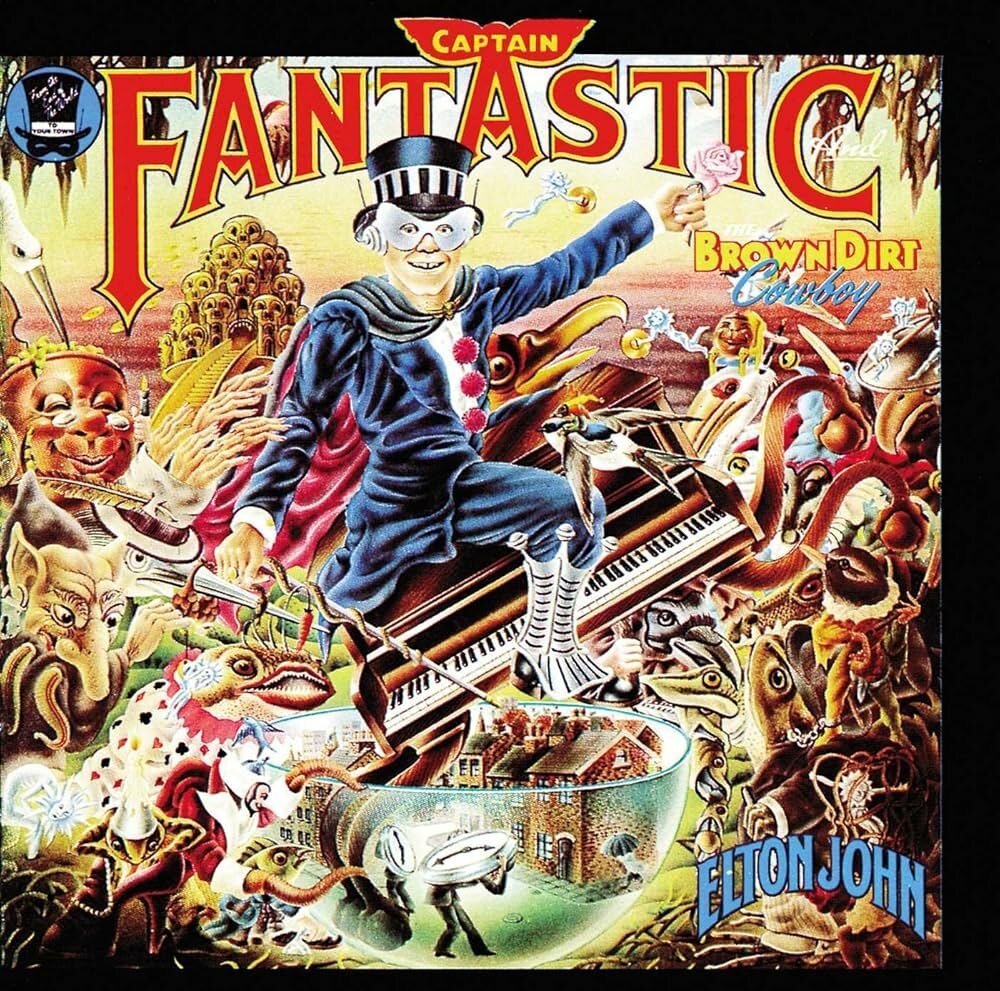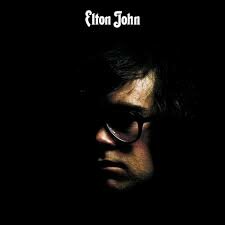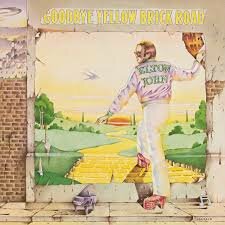
Secondo appuntamento dedicato a Elton John: oggi parliamo di "Goodbye Yellow Brick Road".
Dopo un primo tour europeo sull'onda del successo di "Elton John", nell'agosto del 1970 l'artista approda in America per una serie di sei date al Troubadour di Los Angeles. Il pubblico americano è a dir poco entusiasta, al tal punto che si renderà necessario prolungare il tour aggiungendo date a San Francisco e New York. Per queste occasioni Elton sfodera look eccentrici e stravaganti, da lui stesso descritti come un modo per lasciarsi alle spalle un'infanzia fatta di continue restrizioni. L'emancipazione dell'artista passa anche attraverso la sessualità, tanto che in quel periodo conosce e si innamora del promoter della EMI John Reid, con cui vivrà lontano dai riflettori la sua prima relazione omosessuale. Nell'ottobre del 1970 esce "Tumbleweed Connection", un album che affonda le radici del proprio sound nel roots rock e nelle atmosfere country western americane. Realizzato ancora una volta con la collaborazione di Gus Dudgeon, il disco è un autentico capolavoro del rock, ampiamente elogiato dalla critica e inserito da Rolling Stones tra i 500 migliori album di tutti i tempi. Elton John è ora più che mai deciso ad estendere la propria popolarità in tutto il mondo e per farlo decide di assumere il compagno John Reid come proprio manager. Nel 1971 inizia così un lungo tour che farà tappa negli Stati Uniti, in Inghilterra, in Giappone e in Australia, questa volta però da headliner. Nello stesso anno esce anche "Friends", scritto come colonna sonora per l'omonimo film, in cui emerge un lato più soft-rock del duo John-Taupin. Ma il 1971 è un anno estremamente produttivo per l'artista, che ad aprile pubblica ancora il suo primo disco live "17-11-70" e a novembre il suo quarto album "Madman Across the Water", registrato in appena tre giorni con gli ormai immancabili Paul Buckmaster e Gus Dudgeon. Non bisogna attendere molto prima che Elton sforni il suo prossimo disco: nel maggio del 1972 esce "Honkey Château", che negli Stati Uniti rimane in vetta alle classifiche per ben cinque settimane. A impreziosire quest’ultimo lavoro c’è la memorabile ballad "Rocketman", in cui Taupin racconta la storia di un astronauta in partenza per una missione spaziale, diviso tra il desiderio di scoperta e il senso di malinconia per la separazione dalla famiglia. Il 1973 vede la pubblicazione di altri due album, il meno noto “Don’t Shoot Me I’m Only the Piano Player” (in cui compare la vivace “Crocodile Rock”) e “Goodbye Yellow Brick Road”, il capolavoro definitivo dell’artista, un doppio disco composto da diciassette tracce, per un totale di quasi 80 minuti di musica a cavallo tra glam rock, power ballad e virate psichedeliche. Registrato presso gli studi dello Château d'Hérouville (dove avevano preso vita anche “Honky Chateau” e “Don't Shoot Me I'm Only the Piano Player”), il settimo lavoro di Elton si apre con “Funeral for a Friend/Love Lies Bleeding”, una suite progressive che da solenne marcia funebre si trasforma in un rock ‘n roll travolgente accompagnato dalla chitarra di Davey Johnstone, il basso di Dee Murray e la batteria di Nigel Olsson. Segue la dolce ballad “Candle in The Wind”, successivamente riadattata per la morte di Lady Diana nel 1997 e divenuta uno dei più grandi successi dell’artista. L’R&B di “Bennie and the Jets” lascia poi il posto alla title-track, che come molti brani scritti da Taupin si immerge nostalgicamente nel passato per raccontare il bisogno di riconnettersi con le proprie radici. Dopo la ballata “This Song Has No Title” e l’orchestrale “Grey Seal”, entrano in gioco le atmosfere afro-caraibiche di “Jamaica Jerk-Off”, seguite dall’eleganza jazz di “I’ve Seen That Movie Too”. La seconda parte del disco, introdotta da “Sweet Painted Lady”, consacra Elton come figura centrale della scena glam rock grazie a brani come “Dirty Little Girl”, “All The Girls Love Alice” e "Saturday Night's Alright (For Fighting)" (quest’ultimo interpretato anche da band come gli Who e i Queen). La critica non esita a definire “Goodbye Yellow Brick Road” uno dei migliori lavori di Elton, che in poco tempo raggiunge un successo planetario conquistando la vetta della classifica americana per otto settimane e scalando numerose classifiche d’Europa, con un totale ad oggi di oltre 30 milioni di copie vendute.
Vi lasciamo dunque all’ascolto della delicata ed emozionante title-track “Goodbye Yellow Brick Road”, inserita da Rolling Stones tra le 500 canzoni più belle di tutti i tempi.